Let's talk about what actually happens after
Divorce or a long-term separation rewires more than just your living situation. Your body carries the muscle memory of one person, one rhythm, one set of expectations. When you meet someone new, you're not just adjusting emotionally. You're meeting your own pleasure with fresh eyes, and that's both exciting and terrifying.
Here's what I see in my practice: people returning to intimacy after separation often feel like impostors in their own bodies. The landscape has shifted. Your nervous system needs permission to feel good again. That's where a lemon clitoral vibrator becomes less of a toy and more of a permission slip.
Why your pleasure needs its own language now
After years with one partner, you learned a shorthand. They knew the speed. The pressure. How long you needed. Your body became fluent in a language of "read my mind." When you're with someone new, that shorthand is gone, and that's actually the gift.
A vibrator like the Lemon gives you a way to speak first. It lets you show your new partner what you want without having to explain in words what your ex would have intuited. Better still, it removes the pressure to perform that shorthand perfectly right away. You don't have to pretend you already know what you want. You can explore it live.
Clinically, what I see happen is this: people who use a clitoral vibrator with a new partner report feeling more in control and less self-conscious. The vibrator becomes a third presence in the room. It's not about replacing your partner. It's about giving your nervous system a tool it recognizes, something familiar in an otherwise new landscape.
The confidence piece is real
Divorce or separation often leaves you with a specific wound: the belief that your pleasure wasn't enough, or that something about your sexuality disappointed someone. That's grief, and it lives in your body.
When you introduce a vibrator early with a new partner, you're telling yourself and them the same thing: my pleasure matters, and I'm not apologizing for knowing what I need. That's radical after years of calibrating yourself to someone else's rhythm.
I've had clients tell me that using a lemon clitoral vibrator with a new partner was the first time they felt sexy rather than serviceable. The vibrator gives you permission to prioritize sensation over performance. And guess what happens when you actually feel your own pleasure? Your partner feels it too. It becomes contagious.
The practical stuff: why the Lemon specifically
A good clitoral vibrator does three things that matter when you're starting over.
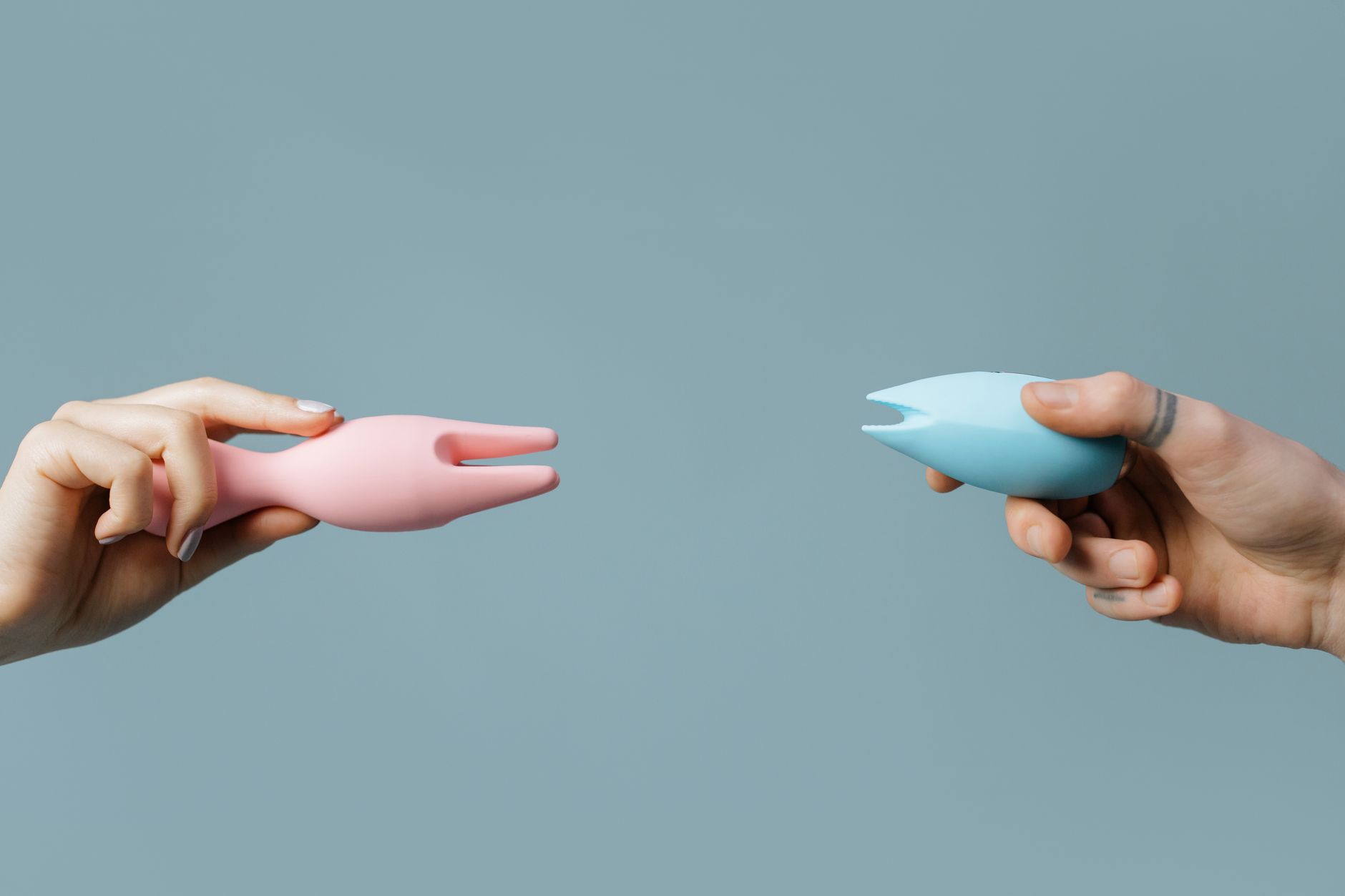
First, it's direct. Lemon vibrators use suction and consistent stimulation instead of broad, diffuse vibration. That directness means you know exactly what sensation you're getting. No guessing. No "maybe this works." You feel it immediately. That clarity matters when your nervous system is still learning to trust pleasure again.
Second, it's controllable. You set the intensity. You set the pattern. You're not waiting for someone else to read your body or hoping they get it right. That autonomy, even in a partnered context, rebuilds the sense that your pleasure is yours to shape.
Third, it's not intimidating to introduce. A suction vibrator looks nothing like traditional penetrative toys. Many new partners find it less threatening than wand vibrators or other designs. It feels like an accessory to intimacy, not a replacement.
How to actually bring it up
Honestly, this matters. You can't just pull it out during sex with someone new and expect it to land well if they're not expecting it.
The conversation is short. "I've been exploring what feels good to me since my separation, and I'd like to use this with you sometimes. It helps me get more sensation, and I think we'd both enjoy it." That's it. You're not asking permission. You're not explaining your ex. You're stating a fact about your pleasure.
If they hesitate, their hesitation is data. A secure partner welcomes tools that help you feel good. A partner who feels threatened by your pleasure is showing you something important early.
If they're into it, bonus. You've just communicated that you know yourself, and that opens the door to better intimacy overall. The vibrator becomes foreplay. You use it while they touch you elsewhere. They watch you use it. It's collaborative instead of separate.
The emotional reset it offers
There's a specific ache that comes after separation: the question of whether your sexuality is still interesting, still valuable, still desirable. A vibrator doesn't answer that question for you. But it does shift something.
When you use a lemon clitoral vibrator with a new partner, you're actively choosing to feel good instead of passively hoping pleasure happens to you. That agency alone rewires the nervous system. You're not waiting for someone else to make you feel sexy. You're making yourself feel that way, and they get to witness it.
I had a client, Michelle, who came to me six months after her divorce. She was terrified of intimacy again. We talked about tools that could help her feel grounded. She bought a Lemon, used it alone first, and when she met someone new three months later, she introduced it without shame. She told me, "It was like saying, 'This is me now. This is what I need.' And somehow that made everything else feel safer."
That's what I see happen repeatedly. The vibrator becomes a boundary and an invitation at the same time.
When timing matters
There's no rule about when to introduce a vibrator in a new relationship. Some people bring it up on the first sexual encounter. Others wait a few weeks until comfort builds. Pay attention to how connected you feel.
If you're using sex to reassure yourself that you're still desirable, wait. If you're using it to numb, wait. If you're genuinely curious about pleasure and you want your new partner to know what that looks like, go ahead.
The best time is when you feel stable enough to not need their approval. That's the difference between introducing a vibrator as a tool and introducing it as a test.
The permission you're actually giving yourself
Here's what I want you to know: using a lemon clitoral vibrator with a new partner isn't about the toy. It's about reclaiming pleasure as something that belongs to you, not something that gets negotiated or watered down in a relationship.
Separation teaches you to be smaller, quieter, less demanding. Rebuilding intimacy after that means expanding again. A vibrator is just a permission structure for expansion. Your pleasure comes back. Your confidence comes back. Your ability to ask for what you want comes back.
And that makes everything else better. The kissing. The conversation. The trust. Because you're not performative anymore. You're present.
Frequently asked questions
How do I know if I'm moving too fast by introducing a vibrator early?
If you're introducing it because you're anxious or because you want to impress them, that's too fast. If you're introducing it because you genuinely know what you like and you want them to know too, the timing is right. Pay attention to the difference between seeking reassurance and seeking connection.
What if my new partner feels rejected if I use a vibrator?
That's their nervous system speaking, and it's worth a conversation. You can say something like, "This isn't about you not being enough. It's about my body knowing what it needs." A secure partner will eventually get there. An insecure partner may not. That information is valuable early on.
Can using a vibrator with a new partner ruin the connection?
No. What ruins connections is shame, secrecy, and unspoken expectations. A vibrator introduces none of those. It actually does the opposite. It says, "Here's what my pleasure looks like." Most people appreciate the honesty.
Is it better to use a vibrator solo first, or is it fine to introduce it together?
Try it solo first. Get comfortable with the sensation. Know what patterns you like. Then you can guide your partner. That confidence translates. You're not discovering the vibrator together. You're showing them something you already know.
Will using a vibrator mean my new partner thinks I didn't enjoy sex with my ex?
They might wonder, but that's their narrative, not yours. You can address it directly: "I'm learning more about myself now. That's separate from the past." Honestly, if they're hung up on your ex, that's a different problem.
How long should I wait before introducing a vibrator in a new relationship?
Whenever you feel emotionally ready to prioritize your pleasure over their comfort. That could be the first time or the fifth time. There's no rule. Trust your instinct about safety and connection first, then add the tool.
The bigger picture
After separation, your body needs to remember that pleasure is a right, not a privilege. A vibrator like the Lemon doesn't give you that. It just reminds you. And sometimes, a good reminder is exactly what your nervous system needs to believe it again.
Your new relationship will be better for it. More honest. More connected. More real. Because you're starting from a place of knowing what you need instead of guessing. And that changes everything.
If you're navigating this transition and feeling stuck, we're here to help. Reach out to us with any questions about how to approach this conversation with your partner, or how to rediscover pleasure after relationship transition.