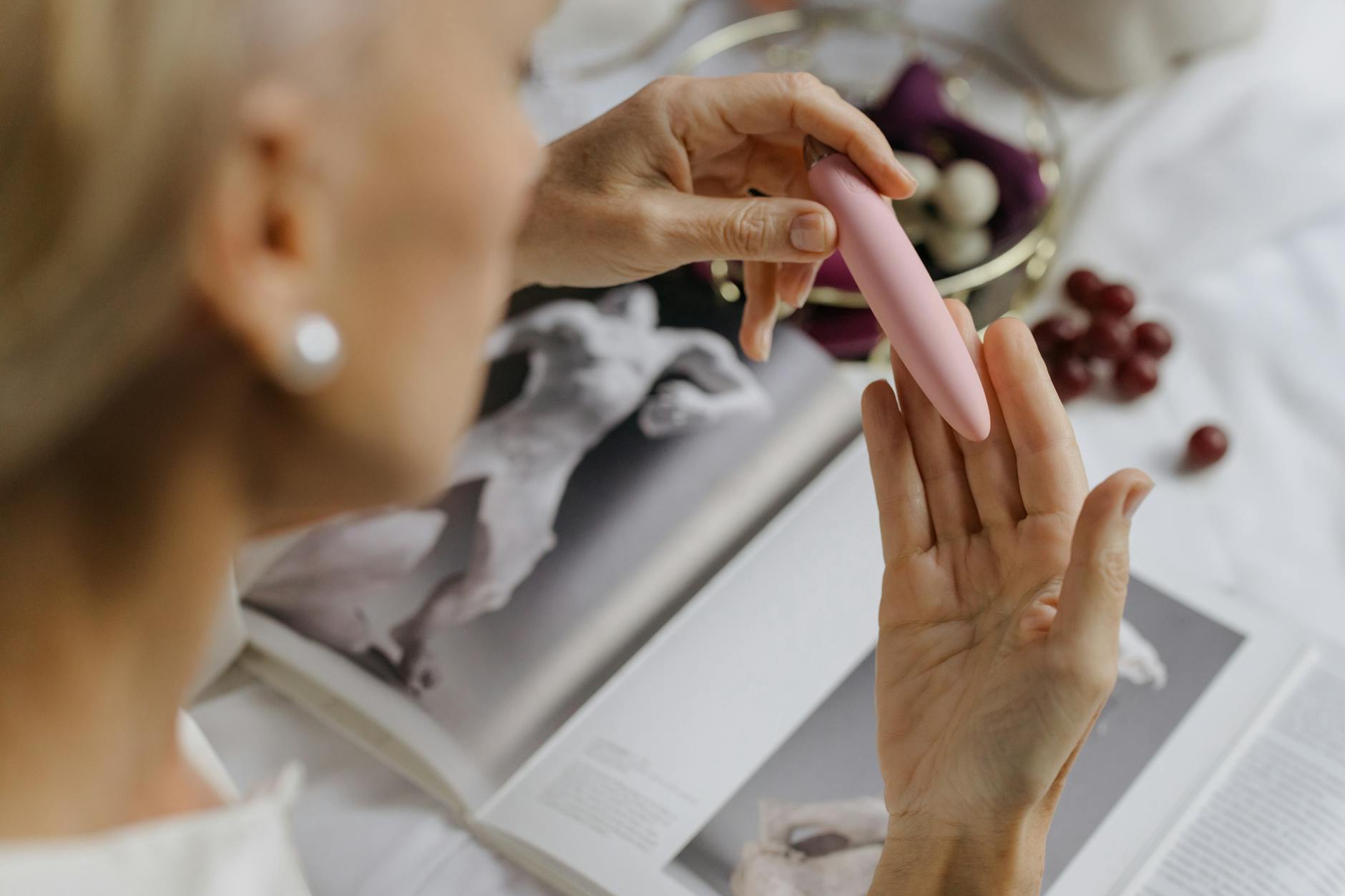
Let's be real about what just happened
Your body changed. A surgery, weight shift, medication, aging, recovery from injury, or just time did something unexpected. And now pleasure doesn't feel the way it used to. The panic response is immediate: something is broken. You're not broken. Your nervous system is recalibrating to a new body, and that's actually fixable.
I work with couples and individuals navigating exactly this moment. Most people expect pleasure to be static, like it's locked in at 25 and should stay the same forever. It doesn't. Bodies change. Sensation changes. What worked last year might not work this year. That's not failure. That's normal.
Here's what I see over and over: the people who move through this fastest aren't the ones who white-knuckle their way back to the "old way." They're the ones who treat their body like new territory and actually explore it.
Why pleasure goes quiet after physical change
Three things happen simultaneously, and they're worth understanding because they're not your fault.
Neurological recalibration. When your body changes, your brain's sensory map of that body doesn't update instantly. You expect sensation in a certain pattern, but the actual nerve pathways have shifted. It's like your body rewired itself overnight and nobody gave your brain the memo. Clitoral vibrators like Lemon Suction's offerings help because they wake up those pathways in a new way. The sensation is different enough that your brain stops looking for the old pattern and starts mapping the new one.
Disconnection from your physical self. When your body does something unexpected, you unconsciously distance yourself from it. If surgery left you numb in a spot where you used to feel everything, your mind learns to protect you by not paying attention to that area. Then when sensation does return, it feels foreign. This is protective, but it also blocks pleasure. Reconnection isn't passive. It requires deliberate attention.
The shame spiral. Here's the part nobody talks about. Pleasure suddenly being different can trigger real shame. You might feel defective. Or like you're supposed to be grateful you're alive or healthy and therefore shouldn't care about sex. That's garbage thinking, but it's real, and it silences you. You don't ask for help because admitting pleasure changed feels like admitting you're broken. You're not broken. Pleasure is just information about what your body needs now. Listen to it.
How your nervous system actually rebuilds this
Don't skip this part. Understanding how sensation comes back prevents you from panicking when it takes longer than you expected.
Sensation rebuild happens in layers. First layer: basic nerve firing. Your body literally has to remember what it feels like to be stimulated in a particular way. This is why many people report that the first week back feels weird or even uncomfortable. Your nervous system is saying "wait, we're doing this again?" Second layer: pleasure recognition. Your brain catches up and realizes okay, this is good. This is pleasure, not just sensation. Third layer: desire. Once your nervous system recognizes pleasure, desire follows. You stop needing external motivation. Your body starts asking for it.
Most people expect to go from zero to full desire overnight. It doesn't work that way. You're asking your nervous system to rebuild a pathway that may have been dormant for months or years. That takes patience, but it happens.
Clitoral vibrators accelerate this process because they provide consistent, predictable stimulation. Your nervous system doesn't have to work as hard to recognize the signal. For people rebuilding sensation after surgery, medication changes, or aging, that predictability is exactly what helps the recalibration move faster.
The first week: what to expect when you restart
If it's been a while, or your body just changed, start here. This is not about achieving anything. It's about information gathering.
Set 20 minutes aside when you're not stressed or watched. Use Lemon Suction's clitoral vibrator on the lowest setting. Don't go in expecting pleasure. Go in curious. What do you feel? Is it sensation without pleasure? Just numbness? Tingling? An ache? Weirdness in a specific spot? Write it down or mentally note it.
Most people find that restarting with a lower-intensity vibrator helps because it's gentler on nervous tissue that's been dormant. The suction-based design of Lemon Suction devices works particularly well here because it's not the jackhammer approach. It's slower, more rhythmic, and your nervous system recognizes it as a pattern instead of just noise.
If nothing happens the first time, that's normal. Your nervous system might take 3-4 sessions to remember this is a safe signal. Don't keep going harder hoping for a response. That's like yelling at someone who's deaf. Instead, pause for a week and try again. Sometimes the breakthrough happens when you stop pushing.
The middle phase: rebuilding desire
After a week or two of sensation returning, desire usually starts filtering back in. This is where people make a common mistake: they jump back into the speed and intensity they used to use. That's like running a marathon when you've only been walking. Your body isn't ready.
The rebuild looks like this. Start at pattern 1 or 2 on your vibrator. Stay there for at least 5-10 sessions before moving up. Let your nervous system get bored at each level before you escalate. This seems tedious. I know. But it's the difference between rebuilding sensation and re-traumatizing yourself.
You'll notice something around week three or four: you'll start wanting it. You'll think about it during the day. Your body will remember what pleasure is. That's the signal you're rebuilding correctly. When that happens, you have permission to explore higher settings if you want to.
When your partner is involved
If you're navigating this with someone, here's what I tell couples in my office. The worst thing you can do is make your partner responsible for fixing your pleasure. That's not fair to them, and it usually doesn't work anyway. Your body didn't change for them. Rebuilding sensation is something you do for yourself, solo, first. Then you bring them in.
Once you've spent a few weeks reconnecting on your own, your partner can help. But the dynamic should be exploratory, not goal-oriented. "Let's figure out what feels good now" is different than "help me get back to what we used to do." One is collaborative. The other is chasing a ghost.
If your partner is resistant to the idea of vibrators, this is actually useful information. It might tell you something about how they think about your pleasure, and that's worth a separate conversation. Your pleasure matters. If they can't get behind a tool that helps you access it, that's their stuff to work through, not your problem to solve.
When sensation comes back unevenly
Here's something you should know: sensation doesn't always return uniformly. You might get feeling back in your clitoris but not your labia. Or you might notice sensation is sharper on one side. This is normal and temporary in most cases. Your nervous system is literally still waking up.
If you're experiencing numbness in specific spots after surgery, a clitoral vibrator can help wake those areas up. The suction patterns used by devices like Lemon Suction's lem vibrator create a gentle vacuum that increases blood flow and nerve activation. It's not magic, but it's surprisingly effective at helping dormant tissue remember it exists.
If numbness persists beyond six months, or if pain appears instead of sensation, talk to your doctor. Nerve damage sometimes needs professional attention. But most people find sensation returns within a few months if they're actively reconnecting.
The permission you might need
If your body changed due to illness, surgery, or recovery, you might be sitting with a low-level belief that you don't deserve pleasure right now. That pleasure feels selfish when your body "should" be grateful just to function. I'm telling you directly: that's not how this works. Pleasure is a sign that your nervous system is healthy. Your brain is getting what it needs. That's not selfish. That's healing.
Your body deserves to feel good. Not someday. Now. In whatever form that takes. If that means using a lemon clitoral vibrator, that's fine. That means sitting with your partner and touching, that's fine too. Whatever brings sensation back online is the right choice.
You're not broken. You're rebuilding. And that takes time, patience, and tools that actually work. That's it.
FAQ
How long does it typically take to rebuild sensation after body changes?
Most people notice small improvements within 2-3 weeks and more significant reconnection within 6-8 weeks. Everyone is different depending on what changed, but consistency matters more than intensity. If you're using a clitoral vibrator 2-3 times a week, you'll see faster results than sporadic use. Your nervous system needs regular input to rebuild the pathway.
Can lemon vibrators help with numbness from surgery or medication?
Yes, but with caveats. Lemon Suction's suction-based vibrators increase blood flow and gently activate nerve endings. For medication-related numbness, this often helps significantly. For surgical numbness, it depends on the type of surgery and how much nerve damage occurred. If your surgery was recent, check with your doctor before restarting. Most surgeons clear people for sexual activity within 4-6 weeks if healing is on track.
What if my partner and I have different timelines for rebuilding pleasure?
This is real and common. One of you might be ready to explore again while the other is still in protection mode. The conversation needs to be about that difference, not about whether pleasure matters. "I'm moving slower than you right now, and that's okay" is a statement. "I don't care about sex anymore" is a different thing. Don't confuse them. Sometimes rebuilding pleasure as a couple means taking turns being the patient and the supporter.
Is it normal to feel weird or uncomfortable the first few times using a vibrator after a body change?
Completely normal. Your nervous system is processing "wait, we're doing this again?" Discomfort usually fades after 2-3 sessions. If it gets worse instead of better, or if pain appears, pause and check in with your body. Pain is information. Discomfort during rebuilding is normal. Pain is not. Know the difference.
Should I use lubrication when restarting with a clitoral vibrator?
Yes. Even if you didn't before. After body changes, tissue sensitivity can shift. Water-based lubricant reduces friction and helps your nervous system focus on the vibration pattern instead of working hard to process physical effort. It also feels better. Use it.
How do I know if I should see a professional about my pleasure changes?
If sensation doesn't return within 3 months, or if pain develops, see a doctor. If you're struggling emotionally with the changes even though physical sensation is returning, talk to a therapist. If your relationship is straining because of pleasure changes, couples therapy is worth it. Professionals exist for exactly this reason. Using one is not a sign you're broken. It's a sign you're taking this seriously.
You're rebuilding, not fixing
The language matters here. Your pleasure didn't break. It shifted. Your job isn't to fix yourself back to some previous version. Your job is to build a new version that works for the body you have now.
Lemon Suction's clitoral vibrators are tools for that rebuild. They're not magic. But they're thoughtfully designed to help your nervous system recognize pleasure when it comes back. Start slow. Be patient with yourself. And know that pleasure is absolutely still available to you, even if right now it feels like it's somewhere you can't reach. It's there. You just need to find the new path to it.
If you want to talk through what's happening in your specific situation, reach out. That's what we're here for.