Let's start with what nobody tells you
When a relationship ends or shifts dramatically, your pleasure doesn't just feel emotional. It feels physical. Your body might respond more slowly, or not at all. Orgasms might feel distant or numb. Arousal might seem impossible to find. And here's the part that makes people panic: you might think this means something broke inside you.
It didn't. What actually happened is your nervous system got used to a particular kind of touch, a particular person's rhythm, a particular dynamic. When that disappears, your body has to recalibrate. That takes time and intentional reconnection.
Why pleasure changes when your relationship does
This is neurology, not romance. When you've been intimate with someone for years, your brain builds a map of that specific touch. Your clitoris learns to respond to their specific pressure, speed, and timing. Your arousal pathway gets trained to certain cues: maybe their voice, maybe their particular way of building tension, maybe the rhythm they always use.
When that person or that dynamic vanishes, your body is still holding the blueprint for them. You haven't lost sensation. Your brain just has muscle memory for a stimulation pattern that no longer exists.
Secondly, relationship transition brings stress, even good ones. Your parasympathetic nervous system (the one that lets you relax enough to get aroused) might be running on low fuel while you're processing the change. Grief uses neurological resources. So does adjustment. Arousal is a luxury your nervous system hasn't prioritized yet.
Third, there's often shame or self-consciousness that sneaks in. If a relationship ended badly, you might carry doubt about your desirability. If it ended well but you're single for the first time in years, you might feel out of practice. That cognitive load directly suppresses arousal. Your brain can't relax into pleasure while you're thinking "Am I still attractive? Will I know how to do this alone?"
None of this is permanent. But it does mean you need a different approach than the one that worked with your ex.
How lemon clitoral vibrators bridge the gap
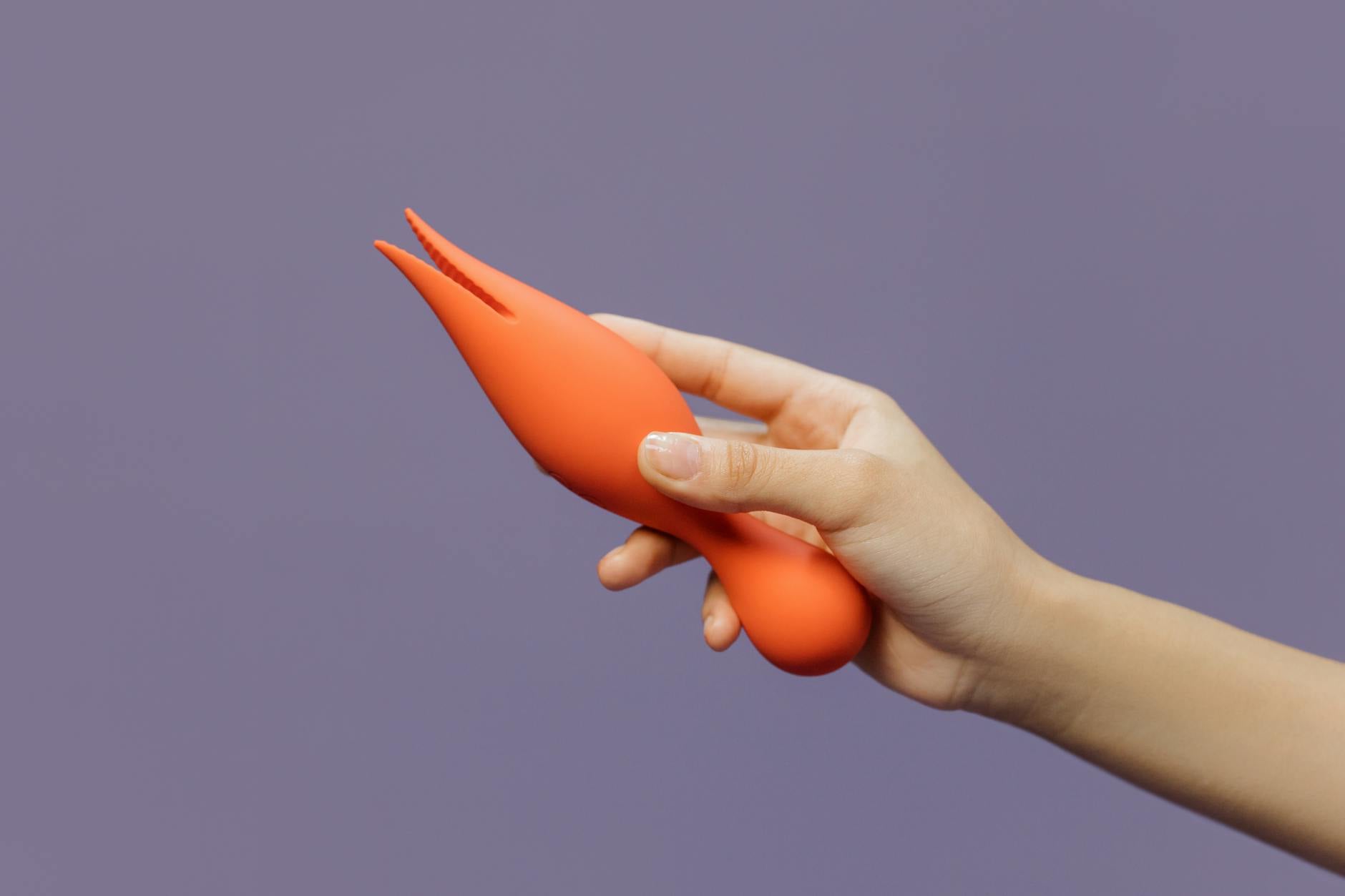
When your body needs to relearn pleasure, a good clitoral vibrator like the Lemon works in three ways.
First, it removes the pressure of needing a partner's specific touch. You're not trying to recreate what they did. You're building a completely new sensation map that belongs only to you. Air-suction technology (the way Lemon vibrators work) creates a gentle pulling sensation that's fundamentally different from penetrative rhythm. Your nervous system recognizes it as novel. That means you're not stuck trying to make your body do something it's trained to reject.
Second, vibrators give you full control over pace and intensity. When you're rebuilding confidence after a relationship shift, that agency matters neurologically. You get to decide when to speed up, when to pull back, when to shift pattern. That executive control actually increases your arousal by reducing the uncertainty your nervous system is scanning for.
Third, the specificity of clitoral stimulation (versus broader stimulation) trains your body to trust intense, focused sensation again. After a relationship change, some people develop a kind of protective numbness. Using a clitoral vibrator consistently helps rewire that. You're literally teaching your nervous system that concentrated pleasure is safe.
The practical steps for reconnection
Here's what I recommend to clients rebuilding their pleasure practice after major relationship changes.
Start slow. Not because you need to be careful, but because slow lets your nervous system track what's happening. Use your Lemon vibrator at the lowest intensity setting for the first few sessions. You're not trying to orgasm yet. You're trying to feel something, anything, reliably.
Build a micro-ritual. Pleasure doesn't appear in chaos. Set aside 20 minutes in a clean space, maybe with a candle or playlist. Not for romance necessarily, but for consistency. Your nervous system craves pattern. When your body knows "this time and place = sensation is safe," arousal gets easier.
Separate sensation from performance. Many people after a breakup try to make themselves come quickly, like they need to prove their body still works. That urgency kills arousal. Instead, focus on feeling the vibration moving across your clitoris. Notice the rhythm. Notice where it feels best. Let orgasm be a side effect, not the goal. Weirdly, that usually gets you there faster.
Use water-based lubricant. Lube isn't cheating or a sign something's wrong. It's communication with your body. It says "I'm taking care of you." It also makes the sensation more nuanced. A quality water-based lube lets you feel the suction and vibration more clearly, which is exactly what you need when you're recalibrating.
Track what works. After a relationship shift, your arousal triggers might have actually changed. What turned you on before might not anymore. You might discover you want gentler or more intense stimulation than before. Keep a note on your phone: patterns you like, times of day you have better sensation, what emotional state helps. This isn't journaling therapy. This is data collection. You're learning your own body again.
The mental part (which is actually bigger)
Physical sensation is half the puzzle. The other half lives in your head.
If your relationship ended, there's often a narrative running underneath: "I'm damaged. I'm unlovable. My body won't work right anymore." That story will absolutely flatten your arousal, even if your nervous system is totally fine. You need to deliberately separate that story from your actual experience.
One way: when you're using your lemon vibrator, notice the negative thought when it shows up ("I should be able to do this without a toy," "My ex didn't need this kind of help," "Something's wrong with me"). Then literally say out loud or in writing: "That's not true. My pleasure is mine now. This tool helps me feel good." It sounds silly. But naming the lie weakens it.
Secondly, if you're rebuilding solo, you might feel self-conscious. That's real. Reframe it. Using a clitoral vibrator alone isn't a sign you're lonely or broken. It's evidence you're resourceful enough to take care of your own pleasure. That's attractive energy. When you internalize that, your body actually responds differently.
Third, be patient with non-linear progress. Some days your clitoris will feel numb. Other days you'll have incredible sensation. That variance is normal after a big transition. Your nervous system isn't broken. It's healing.
When to seek more support
If numbness or inability to orgasm persists past 8-12 weeks of consistent practice, it's worth checking in with a therapist or sex therapist. Sometimes relationship trauma (especially if there was manipulation or coercion) needs professional support. A trauma-informed therapist can help you process what happened and rebuild safety in your body.
Also, if you're experiencing depression or significant anxiety around the relationship change, that's affecting your arousal. Those conditions are treatable. Getting support isn't admitting defeat. It's removing the obstacle so your body can actually do what it wants to do.
But for most people: yes, your pleasure will come back. Yes, it will probably feel different and possibly better. Yes, a lemon vibrator or another quality clitoral vibrator helps bridge that gap while you're recalibrating. Your body is not broken. It's just learning who you are now.
People also ask
How long does it usually take for pleasure to feel normal again after a breakup?
It varies widely, but most people report significant improvement within 4-8 weeks of consistent solo practice with toys like lemon clitoral vibrators. Some people feel shifts within days. Others take months. The timeline depends on how long the relationship was, how it ended, and how much stress you're processing overall. Nervous system healing isn't linear. Two steps forward, one step back is completely normal. But if you're noticing improvement in any direction, you're on track.
Can using a vibrator make it harder to orgasm with a partner later?
No. This is a common worry. What actually happens is the opposite: using lemon vibrators to build a strong sense of your own arousal actually makes partnered sex better. You know your body's language now. You can communicate what you need. You're not dependent on your partner's specific touch because you've proven to yourself that pleasure is something you can create. That actually makes you a better, more confident partner when the time comes.
What if my clitoris still feels numb even with a vibrator?
That's usually about nervous system protection, not tissue damage. After trauma or significant stress, your body sometimes numbs sensation as self-defense. The solution is gentle, consistent practice. Start with the lowest intensity. Use lube. Add touch to other parts of your body at the same time (neck, inner wrists, breasts). Your nervous system needs permission to feel safe before sensation returns. If numbness persists beyond 12 weeks, see a sex therapist or gynecologist trained in this area.
Is it normal to need a different vibrator pattern after a relationship changes?
Completely. Your preferences might shift. Maybe you want something gentler because you're processing vulnerability. Maybe you want something more intense because you need to feel powerful again. Maybe you want air-suction (like lemon vibrators use) instead of traditional buzzing because the sensation feels new and less tied to past partners. All of that is your nervous system telling you what it needs. Listen to it. Try different tools. Your pleasure style might actually have evolved.
How do I know if what I'm experiencing is just normal post-breakup numbness or something deeper?
Here's the distinction: normal post-breakup numbness usually has a timeline. It improves with consistent practice and nervous system healing. Deeper issues (depression, trauma, chronic health conditions affecting sensation) usually don't improve on their own or improve very slowly. If you're practicing regularly with good lemon vibrators or other quality clitoral vibrators, getting sleep, managing stress, and you're still experiencing complete numbness after 3-4 months, that's when professional support helps. You're not diagnosing yourself. You're just getting guidance on what's worth exploring with a provider.
Can I use my vibrator while I'm still grieving the relationship?
Yes, absolutely. Solo pleasure is part of grief processing. Pleasure isn't the opposite of grief. They actually coexist. You can feel sad about a relationship ending and still want to feel your body again. Using your lemon vibrator isn't betraying what you had. It's an act of self-care while you're healing. It tells your nervous system "I'm still here, and my pleasure still matters." That's healthy.
The bottom line
Relationship changes are real transitions. Your body's response to them is real neurology, not dysfunction. When pleasure feels different or absent after a breakup or major dynamic shift, you haven't lost your capacity for sensation. You've lost the familiar stimulation pattern your nervous system was trained to expect.
That's fixable. Using quality clitoral vibrators like lemon vibrators, combined with patience, intentional practice, and processing the emotional side, helps you rebuild. Your pleasure will come back. It might look different. It might feel better. You're not trying to recreate what was. You're discovering what's actually yours now.