Here's the thing about hormones and pleasure
Your body doesn't produce lube on a fixed schedule. Hormonal shifts change how much natural lubrication your body makes, how quickly it arrives, and how it feels. This isn't a problem to fix. It's information to work with.
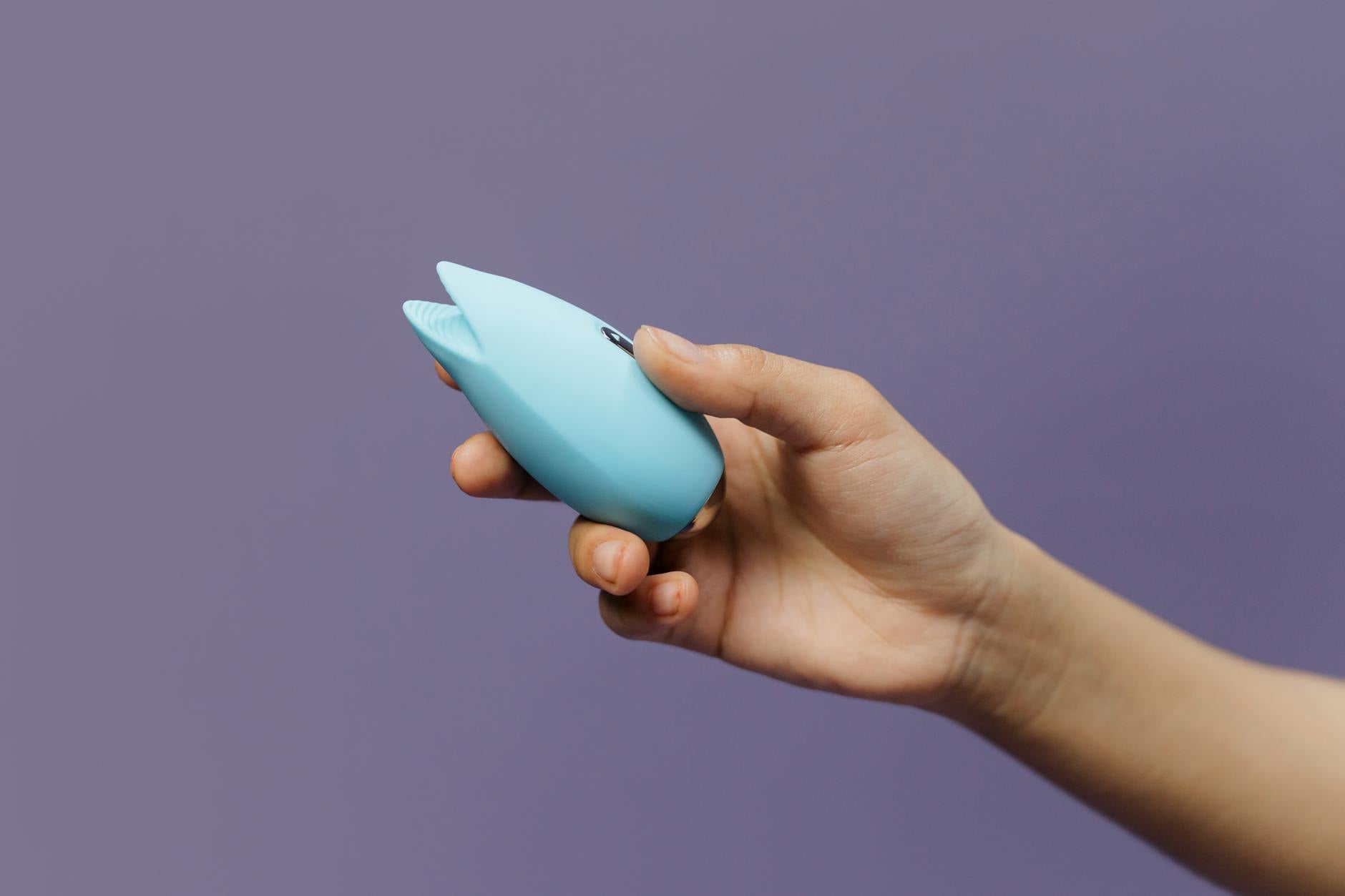
I've worked with hundreds of people who assume they've lost something when really their body's chemistry has just shifted. The Lemon clitoral vibrator you've been using doesn't stop working. But the way you use it might need to adjust. That's the conversation we're having today.
Why hormonal shifts affect lubrication
Estrogen is the main driver here. When estrogen levels are higher (typically mid-cycle if you menstruate, or if you're on hormonal birth control), your body produces more mucus. It comes faster, it's thicker, it feels different. When estrogen drops (right before your period, after stopping birth control, during perimenopause, or postmenopause), lubrication production decreases. The tissue also changes. It gets thinner and more delicate. Blood flow to the clitoris shifts too, which means arousal builds more slowly.
This is why someone might feel completely fine with a lemon vibrator at one point in their cycle and notice more friction at another. You're not broken. Your hormones are literally changing the physical landscape.
If you use hormonal birth control, skip a dose, or switch methods, lubrication can drop overnight. If you've had a baby, started certain medications (especially antidepressants), or you're in perimenopause or menopause, lubrication changes are one of the first things you'll notice.
The lubrication and sensation connection
Lubrication isn't just about comfort. It affects how sensation registers.
With adequate lubrication, your clitoral vibrator glides smoothly and stimulation feels full and rounded. Without it, the same vibrator can feel sharp, overstimulating, or numb. You might think you need a stronger setting when really your body just needs moisture to distribute the sensation properly.
This is especially true with air-suction vibrators like the Lem. These devices work by creating gentle suction and micro-pulses on the clitoral area. That mechanism works beautifully with natural lubrication or added lubricant because moisture allows the seal to form and release smoothly. Without it, you might feel pressure without pleasure, or the seal breaks too easily.
The solution isn't to turn up the intensity. It's to support your body's chemistry with the right lubricant.
Which lubricant actually works best
Water-based lubricants are your best friend with any clitoral vibrator. They're compatible with silicone toys, they feel natural, and they wash off easily.
Pickup a lubricant that's glycerin-free if possible. Glycerin can feed yeast and isn't ideal for sensitive tissue. Look for brands that skip parabens and artificial fragrances. You want something that replicates what your body would make naturally. Something like Slippery Stuff, Hyalo Gyn, or a basic water-based lube from a reputable adult retailer works beautifully.
Silicone-based lubricants feel richer and last longer, but they damage silicone toys. Skip them if you're using a lemon vibrator or other silicone device.
Oil-based lubricants are a no. They degrade silicone and trap bacteria.
Start with a small amount. A quarter-sized dab is usually enough. You can add more as you go. The point isn't to create a slippery slope. It's to create enough moisture for smooth sensation and comfort.
How to time lubrication with your cycle
If you menstruate and notice your natural lubrication varies predictably through your cycle, plan accordingly.
Mid-cycle (around ovulation), you might need minimal or no added lubricant. You'll notice your body has plenty. Use this time to explore without added lube if you like. Pay attention to what feels different. This is useful data.
Right before your period and the first few days after, natural lubrication typically drops. This is when added lubricant makes the biggest difference. Keep it by your bed or in a nightstand drawer. Make it part of your routine during this window.
If you use hormonal birth control, lubrication levels might be steadier across the month but possibly lower overall. Experiment. Some people find they need added lubricant consistently. Others don't. Your body is the only guide that matters.
Adapting your lemon vibrator technique
Once you're using lubricant consistently, your lemon clitoral vibrator experience often shifts for the better.
You might notice you can use lower intensity settings because sensation travels more smoothly. You might find that arousal builds faster because your body isn't working against friction. Orgasms often feel fuller and more complete.
If you're using air-suction technology like the Lem, a small amount of lube helps the suction seal form properly without requiring intense pressure. Start on lower settings and work up. You'll feel more nuance in the sensation.
Many people also find they want longer warm-up time when lubrication is lower. Fifteen to twenty minutes instead of five. This isn't a sign something's wrong. Your arousal system is just responding to hormonal reality. Budget the time and enjoy the slower build. Often it leads to deeper, longer orgasms.
When to check in with your doctor
If adding lubricant helps and you're feeling back to normal pleasure, you're sorted.
If lubrication is so minimal that even with generous added lube you feel pain or significant discomfort, or if the issue appeared suddenly and is getting worse, see your doctor. Genitourinary syndrome of menopause (GSM) is real and very treatable with topical estrogen creams. Vaginal atrophy from other causes also responds well to treatment.
If you suspect a medication is affecting your lubrication (especially antidepressants, antihistamines, or blood pressure meds), talk to your prescriber. There are often workarounds. Adding lubricant often helps, but so does dose timing or switching to a different medication in the same class.
The pleasure payoff
Adapting your approach to hormonal reality isn't settling. It's actually the opposite. You're honoring what your body is doing right now and working with it instead of against it. Most people find that pleasure improves when they stop fighting their cycle and start supporting it.
Your lemon vibrator isn't the problem. Your body's chemistry isn't the problem. Mismatched expectations are. Once you've got those aligned, sensation usually comes back stronger than before.