
How Lemon Vibrators Help When You're Rebuilding Sensation After Pelvic Floor Dysfunction
Pelvic floor dysfunction is one of the quietest sexual saboteurs. You don't wake up one day with a diagnosis. Instead, you notice that touch feels numb, or worse, that it sends sharp pain through your pelvis. Sex stops being something you want and starts being something you're afraid of. And because nobody talks about it, you assume something's permanently broken.
It's not. But rebuilding sensation after pelvic floor dysfunction takes intention, patience, and the right tools. Lemon vibrators can be part of that toolbox. Here's what actually helps.
What pelvic floor dysfunction does to sensation and arousal
Your pelvic floor is a hammock of muscle that supports your bladder, bowel, and reproductive organs. When it gets tight, weak, or traumatized—whether from childbirth, repetitive strain, surgery, or chronic tension—it stops doing its job well. And intimacy becomes difficult or painful.
The sensation loss happens for two reasons. First, tight pelvic floor muscles reduce blood flow to the genitals, which means less nerve activation and duller arousal. Second, the brain learns to protect that area, so it actually dampens sensation as a defense mechanism. You're not numb because the nerve endings are dead. You're numb because your nervous system is protecting you.
That's actually good news. Protection patterns can be rewired.
Why sensation recovery matters before jumping back into partnered sex
If you've been avoiding sex because pelvic floor dysfunction made it painful, your nervous system has stored the association between touch and pain. Jumping back into partnered sex too early—even with a patient partner—can reinforce that pattern. Solo sensation work needs to come first.
This is where most recovery gets stuck. People assume sensation work has to feel good immediately. It doesn't. It has to feel safe first. Lemon clitoral vibrators help because they bypass some of the pain cycle by delivering consistent, gentle stimulation that the pelvic floor can't clench against.
How lemon vibrators work differently for pelvic floor recovery
Most traditional vibrators rely on friction or direct vibration against tissue. For someone rebuilding sensation after pelvic floor dysfunction, both can trigger protective clenching. The pelvic floor tightens in response to what it perceives as threat, which immediately blocks arousal.
Lemon sexual toys—specifically suction-based clitoral vibrators—work through a different mechanism. Instead of rubbing or pushing, they create rhythmic suction that stimulates the clitoris and surrounding tissue without requiring the constant friction that triggers pain patterns. This gentler approach lets your nervous system relax enough to register sensation without activating the protective response.
The consistency also matters. Your nervous system likes predictability. A steady suction pattern is easier for a sensitized body to tolerate than variable vibration speeds, which can feel chaotic or startling.
Three phases of rebuilding sensation
Phase one: exploration without pressure. Start with the lowest setting, high-quality lubricant (even though you might not think you need it—you do, because it reduces friction), and no goal other than noticing what you feel. Five to ten minutes is enough. Your job is just to get used to the sensation, not to chase orgasm. Many people find that the first few sessions feel almost nothing. That's normal. Your nervous system is learning that this touch is safe.
Phase two: expanding the window. After a week or two of phase one, gradually explore different patterns and settings. Still no orgasm goal. You're building a broader map of sensation. Some people find certain patterns feel better than others. The clitoral vibrator you choose matters here because consistency and reliability help your nervous system trust the device.
Phase three: pleasure as a byproduct. Once sensation starts returning and you notice arousal building, you can start exploring what actually feels good rather than just safe. Orgasm might return quickly. For others, it takes longer. Both are completely normal.
This progression usually takes four to eight weeks. There's no rush. Your pelvic floor has been in protection mode for months or longer. It needs time to downregulate.
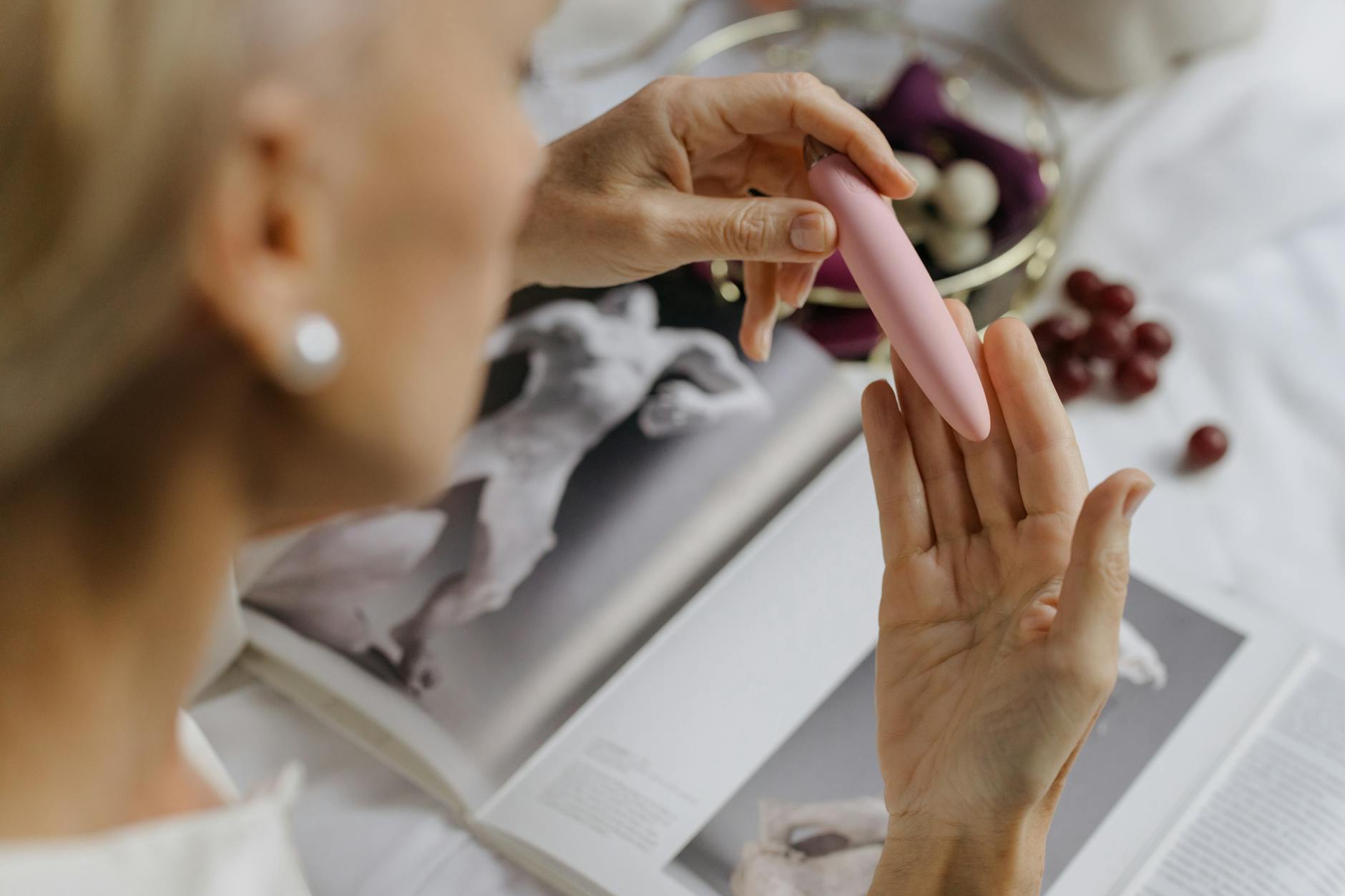
Photo by cottonbro studio on Pexels
Why pelvic floor physical therapy and clitoral vibrators work together
If you're dealing with pelvic floor dysfunction, you should be working with a pelvic floor physical therapist. They'll teach you how to release tension, breathe into the pelvic floor, and gradually restore function. That's the structural piece.
Lemon clitoral vibrators are the sensation piece. PT helps your body relax and function better. A clitoral vibrator helps your nervous system relearn that sensation in that area can be pleasurable, not just painful. They're complementary, not competing.
Bring your vibrator into your recovery conversation with your PT if you're comfortable doing so. Many pelvic floor specialists actually recommend sensation work as part of the healing process. They can tell you if there's anything you should avoid—for example, if you have an active infection or recent surgery—and they can help you understand what sensations are normal as you rebuild versus which ones signal you need to slow down.
What to actually expect as sensation returns
Sensation recovery is weirdly nonlinear. One week you'll feel almost nothing. The next week you'll feel pressure, then dullness, then actual pleasure. You might feel sensation in some areas of the clitoris before others. Your arousal might come back faster than your ability to orgasm, or vice versa. None of this is wrong.
You might also notice that sensation feels different than it did before pelvic floor dysfunction. That's not failure. That's just your body's new baseline. After months of protection, neural pathways have shifted. Patience with that difference is part of recovery.
Some people find that orgasms feel less intense at first. Others say they feel more localized or different in timing. These are all signs your nervous system is recalibrating, not signs that something's still broken. Give it time.
When to introduce a partner back into the picture
Here's the honest part: you need to feel some baseline sensation on your own before partnered sex makes sense. Not full recovery. Not perfect sensation. Just enough that you can tell your partner, "I felt that," and both of you can trust it.
When you're ready to transition back to partnered sex, how you use lemon clitoral vibrators with a partner is different from solo use. Your partner can be involved in the exploration. They can learn what helps you relax. Some couples find that the vibrator becomes a bridge—a tool that removes performance pressure and lets both partners focus on sensation rather than outcome.
But that conversation happens after you've rebuilt some baseline sensation alone. Your partner can't unknumb you. Only your nervous system can do that work.
Red flags that mean you need more support
Sensation recovery is slow, but it should move in a generally forward direction. If you're three months into consistent practice and feeling absolutely nothing, or if sensation is getting worse, talk to your pelvic floor PT. Sometimes what looks like pelvic floor dysfunction is actually vaginismus, or there's an underlying infection, or your nervous system needs a different type of intervention.
If pain is sharp or shooting rather than the mild pressure you might expect from rebuilding, stop and check with your doctor. Dull ache or mild discomfort as tissues relax is normal. Sharp pain is not.
Also notice your emotional state. If using a vibrator is triggering anxiety or flashbacks—especially if you have a history of sexual trauma—that's important information. Rebuilding pleasure after sexual trauma sometimes needs additional support from a trauma-informed therapist alongside physical recovery.
The long-term picture
Pelvic floor dysfunction is recoverable. Sensation comes back. Arousal returns. Partnered sex becomes something you want again rather than something you endure. But recovery takes consistency and patience that most of us aren't used to. We're trained to expect quick fixes.
Sensation recovery is not quick. It's methodical. It's boring. It's worth it.
Using a lemon clitoral vibrator as part of that process gives your nervous system a safe, consistent, predictable way to relearn pleasure. It's not a cure. It's a tool that supports the real work your body is already trying to do. Combined with pelvic floor physical therapy, time, and self-compassion, it can be exactly what helps you get feeling back.
People also ask
Can I use a clitoral vibrator if I have pelvic floor dysfunction?
Yes, but timing and approach matter. If you're currently in active pain, wait until your pelvic floor PT clears you for sensation work. Once you get that green light, start with the gentlest setting and the shortest sessions. Lemon suction vibrators are often better for this phase than traditional vibrators because the suction mechanism is less likely to trigger protective clenching. Build gradually.
How long does sensation recovery usually take?
Six weeks to six months is typical, depending on how long you've had pelvic floor dysfunction and how consistently you work on recovery. Some people notice changes within a few weeks. Others take much longer. Consistency matters more than intensity—fifteen minutes three times a week will usually get faster results than an hour once a month.
Will my pelvic floor therapist think I'm weird for mentioning I'm using a vibrator?
No. Pelvic floor PTs work with bodies, sensation, and pleasure regularly. They're trained to see vibrators as recovery tools, not taboo. Being honest about what you're using helps them give you better guidance. If your PT acts uncomfortable, that's on them, not you. You deserve care from someone who treats sexual wellness as part of health.
Is sensation loss from pelvic floor dysfunction permanent?
No. It's protective, not permanent. Your nervous system shut down sensation as a safety mechanism. Once the pelvic floor relaxes and pain decreases, the nervous system gradually allows sensation to return. This can take time, but it's not a permanent change to your body.
What's the difference between numbness from pelvic floor dysfunction and numbness from other causes?
Pelvic floor dysfunction typically causes numbness or dullness in the external genitals and immediate surrounding area. The sensation often returns gradually with consistent sensation work and pelvic floor relaxation. Numbness from nerve damage or medications follows a different pattern and may need different interventions. Your doctor or PT can help you figure out which you're dealing with.
Can I rebuild sensation without a vibrator?
Yes. Many people use manual touch, partnered touch, or other sensate focus exercises. A vibrator isn't required. But for people with hypersensitivity or protective patterning, a lemon clitoral vibrator can make the process easier because it's consistent, predictable, and doesn't require your body to brace against another person's hand. It's a tool that helps some people move through recovery faster, not a requirement.
If you're rebuilding sensation and want support navigating the emotional side of pelvic floor recovery—shame, grief over lost pleasure, or navigating this with a partner—that's what I'm here for. Get in touch to talk about what recovery looks like for you.